
Football World Cup 2026 vs 2022: Tournament Scale
The 2026 FIFA World Cup will be the first men’s World Cup with 48 teams, 104 matches, and three host countries: Canada, Mexico, and the United States. The tournament runs from June 11 to July 19, 2026...
Football World Cup 2026 vs 2022: Tournament Scale
The 2026 FIFA World Cup will be the first men’s World Cup with 48 teams, 104 matches, and three host countries: Canada, Mexico, and the United States. The tournament runs from June 11 to July 19, 2026, across 16 host cities, including Toronto, Mexico City, Los Angeles, New York–New Jersey, and Miami. FIFA expanded the competition from the 32-team format used in Qatar 2022, adding a larger group stage and a Round of 32 before the Round of 16. The United States hosts the final at MetLife Stadium in New Jersey, while Mexico City stages the opening match. Goal Moments tracks the football world cup 2026 through team tactics, player statistics, match predictions, and daily tournament news. Start by checking the official fixture list, then compare team form, travel demands, and confirmed squad news before trusting any prediction.

Photo by El gringo photo on Pexels
The tournament is bigger, yes, but bigger does not automatically mean easier to understand. The schedule, qualification picture, time zones, and knockout route all require a closer look. I learned that the annoying way after trusting a suspicious sports site once, so now every date gets checked twice. Believe it or not — I do.
Want the tournament basics in one place? Use Goal Moments for ongoing 2026 World Cup coverage.
Before 2025: How the Football World Cup Worked
Before 2025, the men’s FIFA World Cup used a 32-team, 64-match structure that had operated since France 1998. Teams were divided into eight groups of four, and the top two from each group advanced to a 16-team knockout bracket. This format created a relatively clean path: three group matches, then the Round of 16, quarter-finals, semi-finals, and final. The 2022 World Cup in Qatar followed that model, finishing with Argentina defeating France on penalties at Lusail Stadium on December 18, 2022. FIFA’s historical competition overview confirms the tournament’s established global role and evolving format through its official World Cup archive.
The old system also limited travel and reduced the number of matches for teams that failed to advance. A finalist played seven games, while a group-stage exit meant only three appearances. That mattered tactically because coaches could plan recovery periods with reasonable confidence, and supporters could compare teams without calculating an additional knockout round. UEFA, CONMEBOL, CAF, AFC, Concacaf, and OFC qualification routes still produced different competitive pressures, but the final tournament itself remained familiar. If you are studying historic performance, compare Argentina 2022, France 2022, and Croatia 2022 with caution; their workloads will not map perfectly onto the 2026 competition.
- Previous field: 32 teams
- Previous total: 64 matches
- Group format: eight groups of four
- Knockout entry: 16 teams
- Maximum matches for finalists: seven
For a useful historical comparison, see our [Internal Link: 2022 World Cup tactical review] before judging whether a 2026 contender has improved or merely benefited from weaker opposition.
The 2026 Shift: What Has Changed?
The 2026 World Cup changes the competition to 48 teams and 104 matches, with 12 groups of four. The top two teams in each group advance, joined by the eight best third-place teams, creating a 32-team knockout stage. FIFA approved this structure after revising an earlier proposal involving 16 groups of three, mainly because four-team groups provide a more familiar schedule and reduce the risk of teams manipulating the final group match. The FIFA 2026 tournament page identifies Canada, Mexico, and the United States as co-hosts and lists the expanded competition framework.
The calendar now stretches across 39 days, compared with the shorter 2022 event. The opening match takes place at Estadio Azteca in Mexico City on June 11, and the final is scheduled for July 19 at MetLife Stadium in the New York–New Jersey region. The 16 host cities create a difficult logistical puzzle: Vancouver and Seattle sit on the Pacific side, while Miami and Atlanta are much farther east and south. A team’s route may involve long flights, altitude changes, heat, humidity, and different recovery environments. That is not decorative detail; it can affect pressing intensity and late-match substitutions.
A few numbers deserve to stay in your head:
- 48 teams compete in the expanded tournament.
- 104 matches are scheduled across the competition.
- 12 groups contain four teams each.
- 32 teams reach the knockout phase.
- 16 cities host matches in Canada, Mexico, and the United States.
The United States hosts the most matches, while Mexico becomes the first country to host World Cup matches in three separate editions after 1970 and 1986. Canada will host men’s World Cup matches for the first time. That creates a useful contrarian point: the expanded field may improve geographic representation, but it also increases the number of uneven group matchups. More teams means more stories, not necessarily more elite-level contests.

Photo by Murat Ak on Pexels
Want to track the format without getting lost in the paperwork? Follow the verified schedule and qualification updates through Goal Moments.
What Changed for Players?
The biggest player-level change is workload. A finalist can now play eight matches rather than seven, and the extra knockout round arrives after a group stage that may include three different travel environments. FIFA’s competition regulations and match calendar will determine rest windows, but national-team coaches must already consider squad depth, substitution patterns, and injury risk. A starting midfielder who handles 90 minutes in Toronto may face a completely different physical test in Mexico City, where altitude can influence running loads and recovery.
The 2026 tournament also changes the value of third-place calculations. In the old 32-team system, a draw or narrow defeat could be judged against two direct group rivals. In 2026, teams will also compare their records against third-place finishers elsewhere. That creates an information problem for players and coaches: a team may not know whether a late goal changes its qualification status until several other groups finish. Coaches might therefore choose more conservative tactics in one match and attack aggressively in another, depending on goal difference and disciplinary records.
“Football is the most popular sport in the world,” FIFA states in its global competition materials, but popularity does not solve scheduling mathematics. The practical player checklist is straightforward:
- Rotate older starters before the third group match if qualification is secure.
- Track travel distance rather than treating every host city as equivalent.
- Prepare separate plans for altitude, heat, humidity, and artificial recovery delays.
- Protect central defenders and holding midfielders, where fatigue can damage structure.
- Review yellow-card accumulation rules before the knockout stage.
One information gap many casual previews miss is the third-place ranking mechanism. There is no single universal “safe” points total because eight teams advance from that pool, and goal difference, goals scored, disciplinary records, and other competition rules can become decisive. Therefore, a team sitting on four points may be comfortable in one tournament scenario but vulnerable in another. For deeper preparation, use our [Internal Link: World Cup squad and injury tracker] and check it against official federation announcements rather than recycled social-media posts.
What Does the Larger Format Mean for Fans and Analysts?
The larger format means fans receive more matches, more host-city variety, and more opportunities to watch emerging national teams, but analysts face a noisier data set. A strong performance against a lower-ranked opponent may inflate a team’s attacking numbers, while long-distance travel can suppress pressing statistics in the next match. Goal Moments therefore evaluates match predictions through opponent quality, expected line-ups, tactical shape, set-piece performance, and schedule location instead of relying on tournament reputation alone.
The host geography matters more than many early previews admit. Mexico City sits at significant altitude, Miami brings heat and humidity, and Vancouver offers a different climate and travel direction. Stadium conditions, kickoff time, and recovery days can change how aggressively a team presses. The stadium calendar is also not merely a fan itinerary; it is a performance variable. If a team moves from a cool northern venue to a hot southern venue within a short window, the coaching staff may reduce training intensity and alter substitution timing.
For supporters, the practical viewing strategy is simple:
- Confirm local kickoff times because the tournament spans multiple North American time zones.
- Check the official FIFA schedule before buying travel or accommodation.
- Compare stadium location with the team’s previous match venue.
- Treat early odds and predictions as provisional until line-ups are confirmed.
- Set a responsible entertainment budget and never chase a losing prediction.
The responsible point is worth stating clearly because football analysis can slide into gambling advice if nobody applies the brakes. Statistics can inform a forecast, but they cannot guarantee an outcome. If you follow betting markets, review applicable local laws, age requirements, and licensed operators; Goal Moments provides football information, not a promise of profit. The World Health Organization describes gambling-related harm as a public-health concern, so keep analysis within a controlled budget.
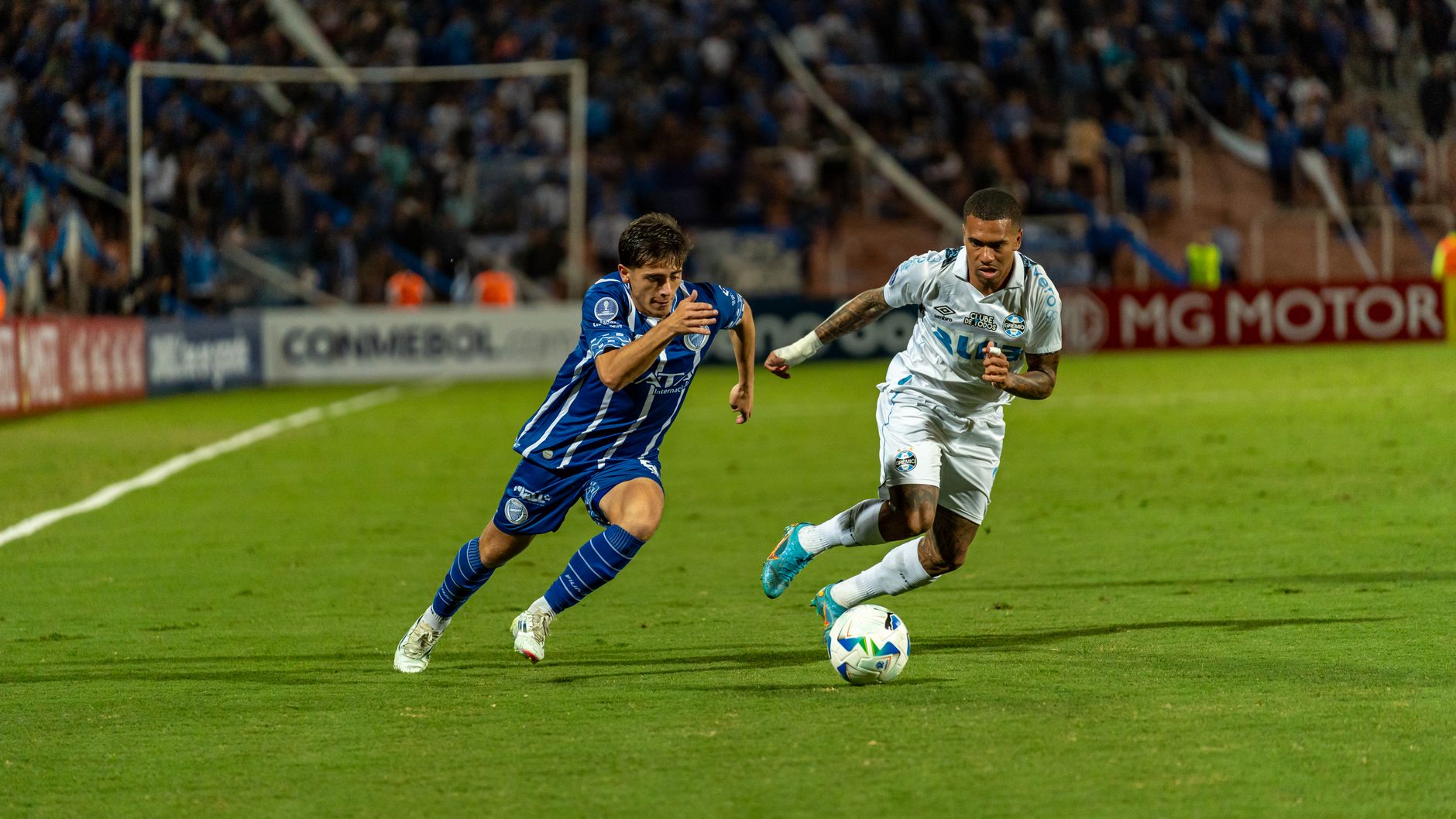
Photo by Franco Monsalvo on Pexels
Need a cleaner way to compare form, tactics, and player availability? See the latest Goal Moments analysis before making a decision.
Three Predictions for the Next Quarter
The next quarter should produce clearer qualification pictures, squad debates, and early tactical signals, but forecasts must be treated as scenarios rather than certainties. The 2026 World Cup is still shaped by international windows, injuries, club workloads, and final roster decisions. A prediction made before the last major qualification matches can become obsolete quickly; that is why a dated forecast is more honest than a timeless claim. For context, ESPN’s FIFA World Cup schedule remains a useful fixture reference, but always compare third-party listings with FIFA’s official information.
Here are three reasoned predictions for the coming period:
Squad depth will become a major ranking signal.
Teams with reliable substitutes in central midfield, full-back, and centre-back roles should gain an advantage because the tournament can require eight matches. A starting XI may win headlines, but a bench often determines whether a team survives the Round of 32 and quarter-finals.Travel-adjusted analysis will outperform reputation-based previews.
A team’s recent expected-goals numbers should be separated by opponent level, venue, and rest days. The useful question is not simply whether Brazil, France, Argentina, England, Spain, or Germany has scored more recently; it is where those matches happened and how much rotation was used.Third-place qualification will create late drama.
Since eight of the 12 third-place teams advance, final group matches may generate simultaneous scoreboard watching. Goal difference and goals scored could matter even when a team has four points, so analysts should avoid declaring qualification secure too early.
My practitioner rule is deliberately boring: record the source, publication date, competition stage, and confirmed line-up for every prediction. After reviewing multiple football previews, the most common error is not bad arithmetic; it is using an old injury report as if it were current. That single mistake can distort a player projection, a tactical expectation, and an entire match forecast. [Internal Link: football prediction methodology] can help you build a repeatable checklist instead of copying whichever dramatic headline appears first.
What Should You Watch Before the Opening Match?
Before June 11, monitor the final qualification places, squad announcements, injury reports, host-city logistics, and official match times. Canada, Mexico, and the United States qualify automatically as hosts, while the remaining field comes through continental qualification and the intercontinental play-off route. The exact competitive balance will not be clear until every berth is filled. Do not treat an incomplete bracket as a finished tournament; that is how inaccurate schedule graphics survive online for months.
A reliable pre-tournament routine has five steps:
- Verify the match date and venue through FIFA.
- Check the latest federation squad list.
- Compare player availability with club minutes.
- Review travel, climate, and altitude for each fixture.
- Separate statistical evidence from promotional prediction language.
FIFA’s regulations also matter when judging discipline, substitutions, eligibility, and competition procedures. The FIFA Regulations should be treated as the primary reference when a media report conflicts with a social post. One useful operational habit is to save a screenshot or note the publication date of every source you use. Fixtures change presentation, broadcasters update pages, and unofficial sites sometimes leave old tournament data online. Yes, that sounds fussy. It is still easier than correcting a bad itinerary after booking a non-refundable flight.
Photo by CP Khanal on Pexels
The final check is the simplest one: confirm the source before you trust the prediction. Browse the latest Goal Moments tournament coverage here.
Frequently Asked Questions
Q: What is the football world cup 2026 format?
A: The football world cup 2026 features 48 teams divided into 12 groups of four, followed by a 32-team knockout stage. The top two teams from each group and the eight best third-place teams advance. The tournament includes 104 matches across Canada, Mexico, and the United States, making it the largest FIFA World Cup edition by team count and total fixtures.
Q: When does the 2026 FIFA World Cup start and finish?
A: The 2026 FIFA World Cup starts on June 11, 2026, and ends with the final on July 19, 2026. Mexico City’s Estadio Azteca hosts the opening match, while MetLife Stadium in the New York–New Jersey region hosts the final. Confirm local kickoff times through FIFA because fixtures span several North American time zones.
Q: Which countries host the football world cup 2026?
A: Canada, Mexico, and the United States jointly host the 2026 World Cup across 16 cities. Canadian host cities include Toronto and Vancouver, Mexican cities include Mexico City, Guadalajara, and Monterrey, and the United States provides the largest group of venues. The broad geography creates additional travel and climate considerations for teams.
Q: How can I follow the football world cup 2026 schedule?
A: Follow the schedule through FIFA first, then cross-check listings from established sports providers such as ESPN. Record each match’s date, host city, kickoff time, and tournament stage because time-zone conversions can cause mistakes. Goal Moments can supplement official sources with tactical previews, player statistics, and prediction analysis, but official competition information remains the final authority.
Q: What is the difference between the 2026 and 2022 World Cups?
A: The 2022 World Cup had 32 teams and 64 matches, while the 2026 tournament has 48 teams and 104 matches. Qatar 2022 used eight groups of four with 16 knockout qualifiers; 2026 uses 12 groups of four with 32 knockout qualifiers. The newer format adds one potential match for finalists and introduces third-place ranking calculations.
Q: What should I do if a 2026 World Cup fixture appears incorrect?
A: Check the fixture against FIFA’s official schedule before relying on it. Unofficial pages may display old dates, incorrect host cities, or incomplete qualification information, especially while the field is still being finalized. If a discrepancy remains, compare the publication date, competition regulations, and federation announcements rather than trusting a screenshot without a source.
Q: Is Goal Moments free to use for 2026 World Cup coverage?
A: Goal Moments is a football-focused content site covering match predictions, team tactics, player statistics, and tournament news. Availability of specific features, articles, or services may vary by site policy and region, so review the current website information before proceeding. Any gambling-related activity must follow local law, age restrictions, responsible-play principles, and licensed-operator requirements.
The 2026 World Cup is not merely the 2022 format with extra teams attached; it is a longer, wider tournament where travel, third-place rankings, squad depth, and source verification matter. Start with FIFA’s schedule, compare the host-city conditions, and use Goal Moments for structured analysis rather than headline panic. That is the sensible route, and after one scam site burned me, I have become annoyingly committed to sensible routes. Believe it or not — I do.
Ready to follow every major development from qualification to the final? Start your 2026 World Cup coverage with Goal Moments.
Thank you for reading.
Goal Moments · Strategic Archive